
9 Results for: open-source

Wood Mold: the Open-Source Solution That Makes Water Filters Accessible to Water-poor Communities
An award winning open-source technology is bringing safe water to remote and water-scarce communities: cheap, easy to assemble and requiring no technical know-how or expensive inputs, it helps people to access clean drinking water fast!

World Bank for Open-source Geocoding and Mapping for Cities
Cities have got a magnetic pull; everyone nowadays is moving there. The world's urban population is increasing tremendously and stats predict that by 2050, 70 percent of the world’s population will be living in cities. So how do we manage this huge growth?

Why Don’t We Have Skyscanner for Trains? Addressing the Gap in International Train Travel Booking Tools
International train travel is at least 4.5 times more environmentally friendly than flying. So why is it still so complicated to book routes?

Donate Phones and Save Lives: “Wir Packen’s An” Collects Old Smartphones for Refugees
Instead of lying in a drawer, your old mobile phone could help people on escape routes. The "Wir packen's an" association reveals how this works.
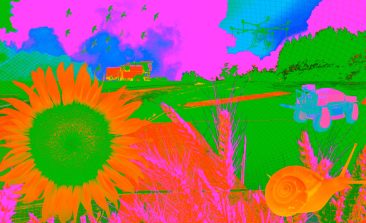
Digitalisation Can Advance Sustainable Agriculture – Under Certain Conditions
Digitalisation has long since arrived in agriculture. But how do these developments contribute to environmental and climate protection? We present solutions.
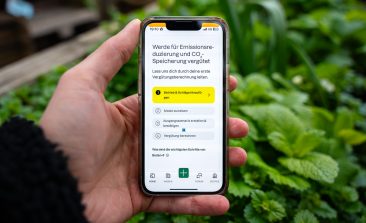
The Klim Mobile App: Making Regenerative Agriculture Simple and Lucrative
In the Klim app, farms can record their regenerative agricultural measures. In return, they get knowledge, a community and funds to support their work.
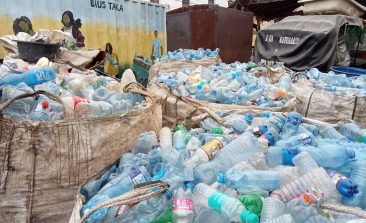
Baus Taka’s New Mobile App Boosts Waste Management and Recycling in Mombasa
Mombasa's Baus Taka app offers users a way to have waste collected, recycled and to earn money from it. But, challenges remain.
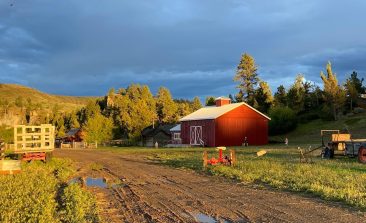
Open Source Platform LiteFarm Supports Sustainable Farmers
Large corporations dominate the provision of digital services in agriculture. However, open-source platform LiteFarm focuses on cooperation in making agriculture more sustainable.
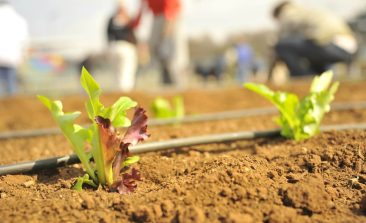
“Agriculture Can Do So Much More Than Produce Food”: We Interview Sonoko Bellingrath-Kimura
Agriculture primarily produces food, but can also help to protect the climate. We spoke to Prof. Dr Sonoko Bellingrath-Kimura about how digitalisation can assist.