©
Autonomous vehicles, e-mobility, AI-controlled traffic planning, new modes for moving from A to B — what will the mobility of tomorrow look like? We present the digital solutions being proposed for climate-neutral transport and logistics and discuss the new challenges of “digital mobility”.

How can we leverage technology to create more sustainable and accessible urban spaces? Perhaps 15 minute cities are the answer.

Does hitching a ride only work for travellers? Or could ride-sharing for freight solve the sustainability problem of last-mile logistics?

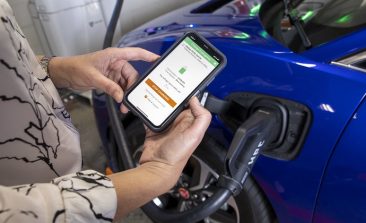
Imagine a world where electric vehicles could be charged during drivetime. This world might be closer than you think.

Technologies such as artificial intelligence might have the potential to drastically reduce the environmental impact of the emission-heavy trucking sector.
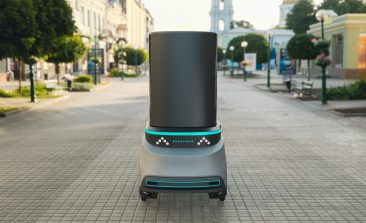
Urban deliveries make urban life more convenient, but pollution, traffic and carbon emissions are the prices we pay. Could Aachen-based start-up Ducktrain have an answer?
E-mobility has been around for years now — but the pace of its rollout has seemed, at times, to drag. But, in 2023, is e-mobility finally starting to speed up?
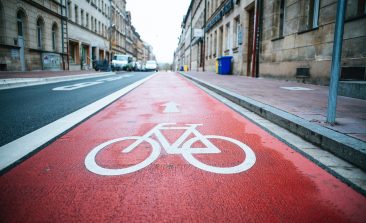
Can bikes and technology join forces to create a greener tomorrow? How are cities harnessing the power of digital tools to make cycling the preferred mode of transportation?

Are we ready to move towards a greener and more efficient urban delivery system? With the help of digital infrastructure such as cargo bikes, last-mile logistics might just be picking up speed.

AI and digitisation are helping to make our roads better organised, faster to navigate, and lighter on the environment. But, what are the roadblocks in automating our traffic?