
Content to: Sustainable Digitalisation
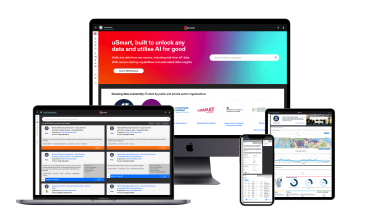
UrbanTide: Digital Tools for Tackling the Crises of Expanding Urbanisation
To remedy urban issues data is needed. UrbanTide hopes to provide this to local councils and organisations in an easy to use AI package.

How to Reduce Your Digital Carbon Footprint
Every single search, every streamed video and every email sent, billions of times over all around the world, it's all part of our daily life by now. But it all adds up to an ever-increasing global demand for electricity, and a large digital carbon footprint too. What can we do to reduce the impact our energy-hungry online lives are having on the planet?

Okular: Free Image Viewer Becomes the World’s First Eco-Certified Software
Energy use and digital technology isn't just all about hardware. Software can also have a huge impact on the energy requirements of our technology.

The Internet of Things
The Internet of Things has been hailed as the biggest technological revolution of our era, with the power to transform our day to day lives, agriculture, industry and maybe even turn the economy on its head. But what does it actually mean? How will it affect our lives? Are there any potential dangers? And could the IoT help us live more sustainably?
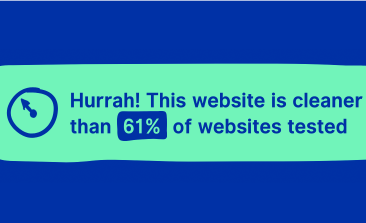
What’s the Carbon Footprint of Your Website?
Digital media is more eco-friendly than analogue, right? Um... not really! But there are things we can do to reduce the environmental impact of our online lives. The Website Carbon Calculator can work out the carbon footprint of any website - and gives you tips on how to make your own online presence more sustainable.