
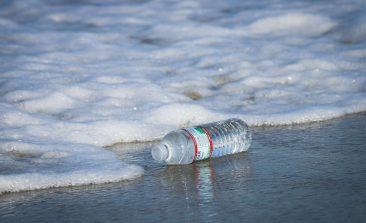
Are High-Tech Reusable Water Bottles the Solution Our Oceans Need?
Rebo's high-tech reusable water bottle collects plastic waste from the beach every time you drink. But will growing sales of reusable water bottles save our oceans, or are they a sign of ever-more consumerism?

Reducing Your Carbon Footprint: A How-to Guide
Discover how to reduce your carbon footprint across all areas of your lifestyle to contribute to a healthier planet.
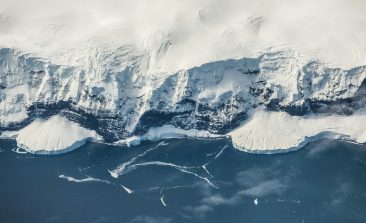
Why a Digital Twin of the Arctic Has “The Potential to be Game-Changing”
PolArctic, a start-up using modelling technology and artificial intelligence to create a digital twin of the Arctic, will map out existing climate impacts on the area – and predict new ones.
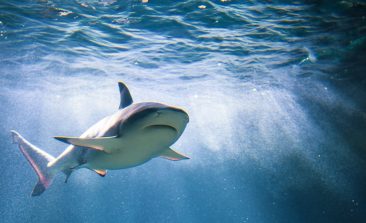
Harnessing Digitalisation to Protect Mediterranean Great White Sharks
Among the ocean’s predators, the great white shark is possibly the most feared. Yet, despite its notoriety, the Mediterranean white shark population remains shrouded in mystery.
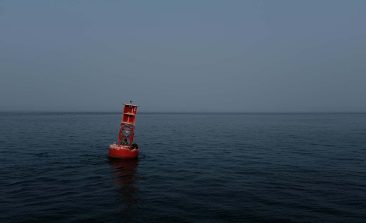
Can Sensors, Cameras and “Big Data” on the High Seas Make Fishing More Sustainable?
Modern sensors and data processing can make fishing more sustainable. However, new technologies such as SUSTUNTECH run the risk of having the opposite effect.
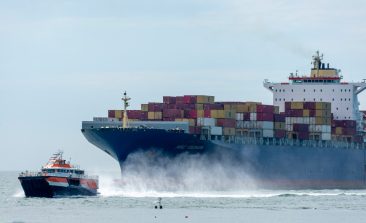
Sailing Towards Sustainability: bound4blue’s Wind-Powered Renaissance
The shipping industry is responsible for a sizeable chunk of GHG emissions. Could ancient technique paired with new tech be the answer?
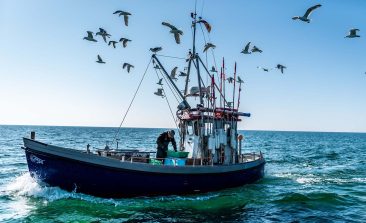
Frisch Gefischt: Start-up Shows How Difficult Sustainable Fishing Is in Germany
The local fishing industry in Germany is facing a challenge, as there have been no fish auctions since the 1980s. In an effort to make the fishing industry more sustainable, the Hamburg-based startup Frisch Gefischt is opting for an online solution.
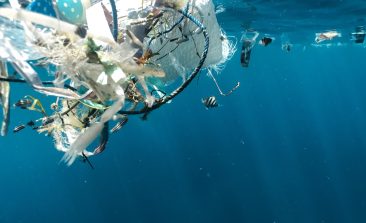
Ghana’s Citizen Science Strategy to Track Plastic Pollution at Home and Abroad
Ghana's initiative to monitor and report marine plastic pollution using data generated by the public represents a milestone in citizen science.
Starting From Scratch: ‘Basic Data’ Buoy Bolsters Marine Protection
Successful marine protection needs a strong scientific basis of sound data. A floating measuring station in the Baltic Sea aims to provide this.