In our modern world, every household uses electricity. As a consumer, you typically have the choice between different providers and type of electricity generation, but in the end, you usually know very little about the origin and the exact conditions.
An Austrian company wants to change this by bringing more transparency and awareness to the electricity market. Thanks to its use of solar energy too, the energy transition is being driven forward at the same time.
How electricity sharing works
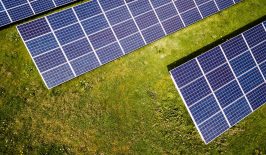
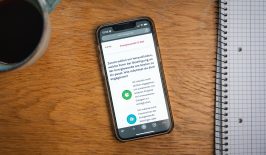
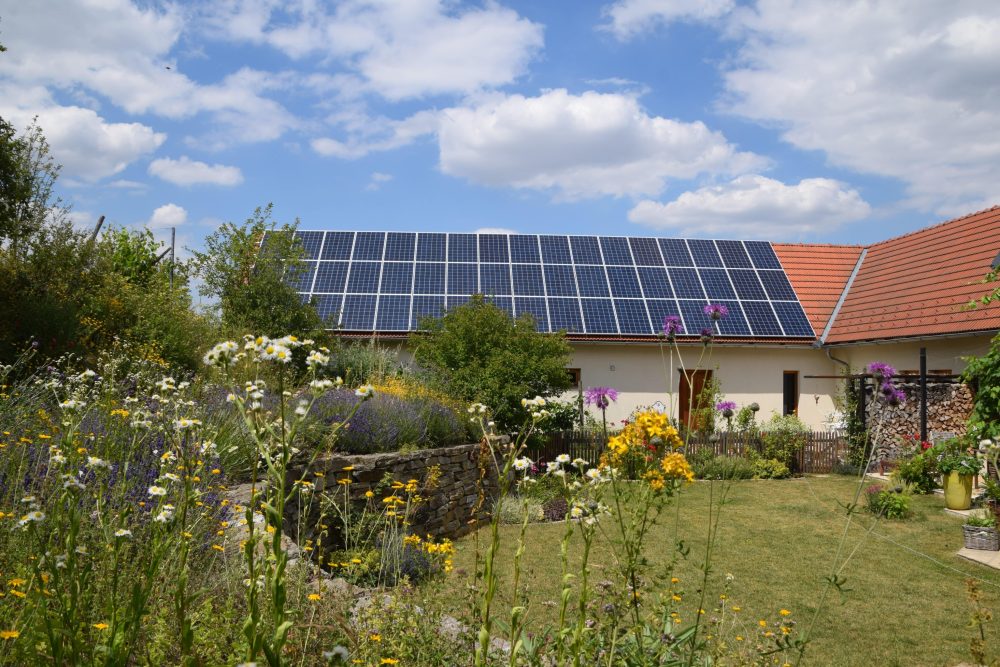
The eFriends community consists of private individuals, businesses and farms throughout Austria. Some of them are producers with photovoltaic systems, others are purely consumers. The producers offer their surplus electricity in the eFriends APP.
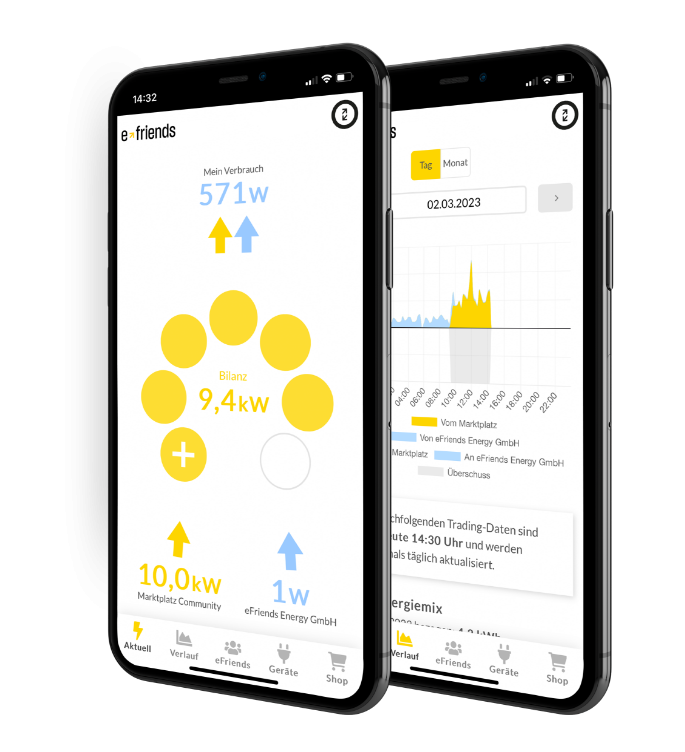
The app connects all members with each other. The platform is also used to agree electricity prices and provide a better overview of the energy balance. Once the consumer and producer are connected via the app, every kilowatt hour shared can be tracked via the system.
Each member also receives an eFriends WATCH+. The smart device contains the technology for sharing electricity within the community and provides recommendations for more efficient usage behaviour based on collected consumption data. It also informs the wearer when electricity is available from certain members.
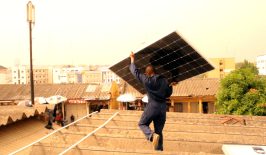
The company also runs a project within the eFriends community where you can invest in modules for planned photovoltaic systems on the roofs of small businesses. In return, you receive free electricity from this system for years.
Currently, eFriends only offers its service in Austria, but an expansion to Germany in cooperation with the start-up Clever-PV and other European countries is currently being examined.
The more members, the bigger the community
Electricity sharing via the eFriends platform is worthwhile. Both consumers and producers get to know their neighbours better and can better understand the electricity market and their own actions in relation to it thanks to transparent processes. The electricity is produced regionally and shared within the community at fair prices.
Members are also self-determined and independent of large electricity companies and their prices. They support the use and expansion of solar energy and thus make an important contribution to a successful energy transition.