
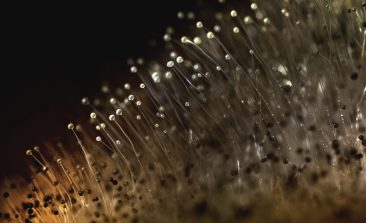
Just as fungi can contribute to the construction of a building, it can also play a part in breaking down demolition debris.
What if we could upcycle agricultural waste into a cheap, sustainable and biodegradable building material? Mycelium shows it's possible.
Mushrooms can be used for so much more than just for eating. The versatile fungi are also becoming increasingly popular in the fashion industry - as an eco-friendly and socially-responsible alternative to leather.
A disused car park hidden under the streets of Paris has become the home of a huge indoor agriculture experiment - an urban permaculture project called "the cave".
What can you cook with and also use as packaging? Surprisingly, it’s mushrooms.
Mycology – the science of mushrooms. After animals and plants, fungi are the third class of living beings and are impressively versatile. They help support cheese production, are a delicious addition to cooking, have healing (and intoxicating) properties and can even be surfed upon. Wait a minute...surf?
Beneath our feet, amongst all the trees and forest paths, lies vast fungal networks. Scientists have mapped the extent of these global connections for the first time – thereby illustrating just how important fungi are to our ecosystems.
Impact printing produces houses from clay with minimal composite materials. Are they an alternative to highly emitting concrete buildings?
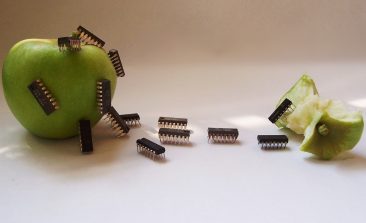
Ever heard of edible electronics? Sounds like a contradiction in terms, but it could be a solution to reducing electronic waste, among other benefits.


